Materials of Solar Panel Modules — Layer by Layer
Table of Contents
Quick answer: A solar panel module is built from eight principal materials, each doing a specific job in the stack. Tempered low-iron front glass carries the optical load and protects the cells. The encapsulant — usually EVA — bonds the layers and keeps moisture out, and it crosslinks at around 150 °C during lamination. The solar cells generate the current. Ribbon connects them, the backsheet seals the rear against UV and moisture, the junction box carries the output, and the aluminium frame supplies mechanical strength and the mounting interface. Two smaller items complete the list: the edge sealant and the insulating materials inside the box. Each material has a specification that matters — glass transmittance, encapsulant gel content, backsheet dielectric strength — and a mismatch between any two of them shows up later as delamination, corrosion or a failed safety test.
PV Module Manufacturing · by Jerry, Ooitech
Introduction
The optical role of the cover glass surface, and why the texture is specified rather than incidental, is covered in why solar panel glass is textured.
Most photovoltaic modules are built from a handful of core materials. A typical solar module is made up of front surface material, solar cells, encapsulant material, back surface material, the frame and a few supporting parts. Each layer has its own job, and together they decide how well the module performs and how long it lasts. Let's walk through them one by one.
Front Surface Material
What it does and why glass wins
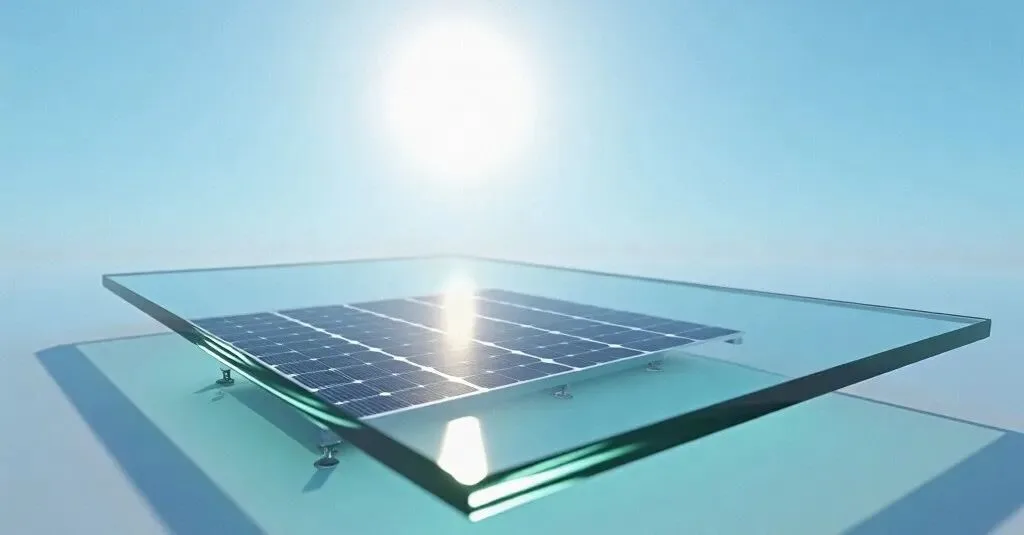
The front surface material of a PV module must have high transmittance across the wavelength range usable by the solar cells, along with a low refractive index, so sunlight is absorbed as efficiently as possible. Beyond transmission and reflection, the front material should be impervious to water, have good impact resistance, stay stable under long-term UV exposure, and have low thermal resistance to prevent water or water vapor from corroding the metal contacts and interconnects, which would shorten the module's service life.
Because modules sit outdoors and often face harsh weather such as wind, sand, rain and snow, the front material also needs a certain rigidity to protect the cells inside from external impact.
There are several options for the front surface, including acrylic, polymers and glass. The most common choice is tempered low-iron glass, because it is low cost, strong, stable, highly transparent, watertight, airtight, and offers good self-cleaning performance.
Solar Cells
The heart of power generation
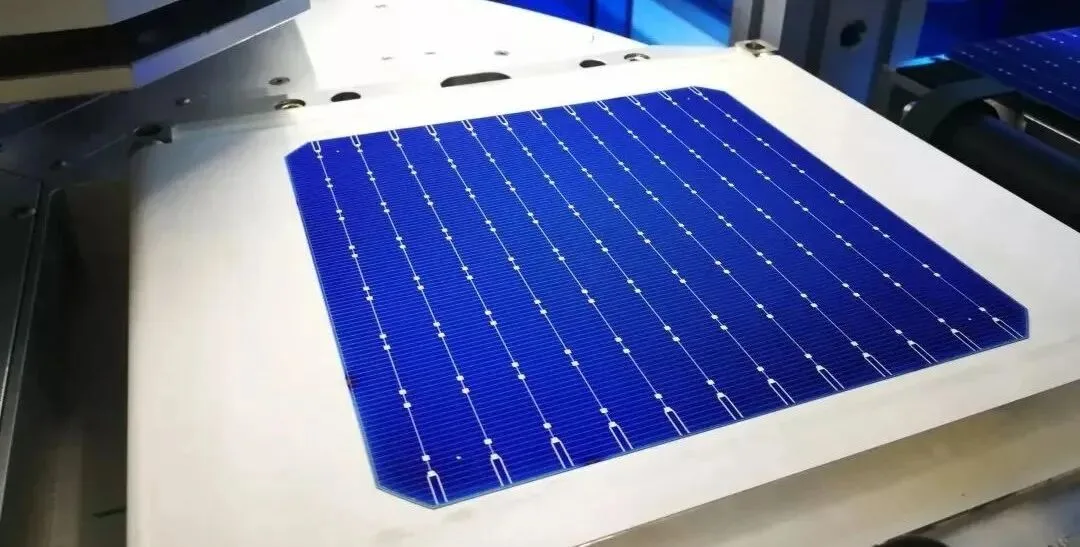
The solar cell is one of the most important parts of a PV module and directly determines the module's overall power output. It is a semiconductor wafer that generates electricity from sunlight, and as long as certain illumination conditions are met, the cell outputs a voltage and produces current when connected in a circuit.
There are many cell options. By process technology they include TOPCon, BC, HJT and others. By size specification there are 182, 183, 210 and more. Even within the same technology and size, cells are further graded by efficiency.
Encapsulant Material
The bonding layer that holds everything together
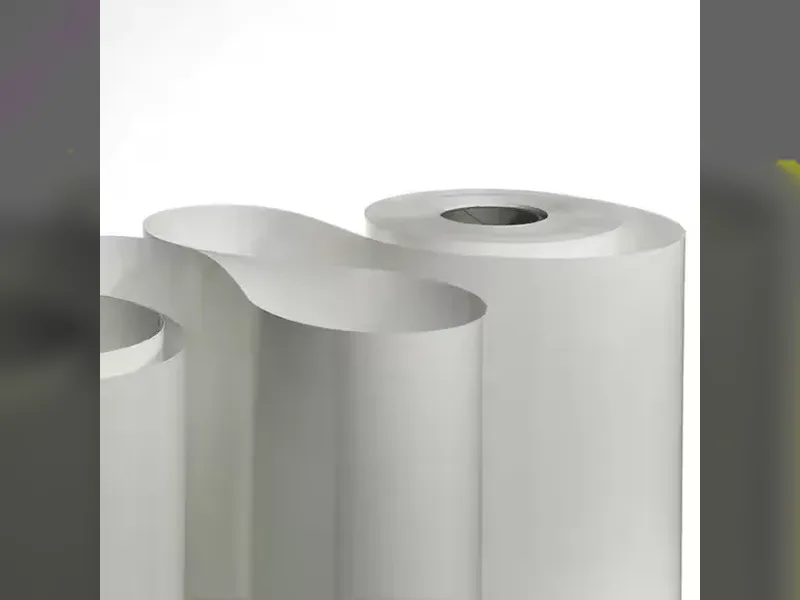
The encapsulant provides adhesion between the solar cells and the front and back surfaces of the module. It must remain stable under high temperature and strong UV exposure. It should also be optically transparent, with low thermal resistance and high electrical resistance.
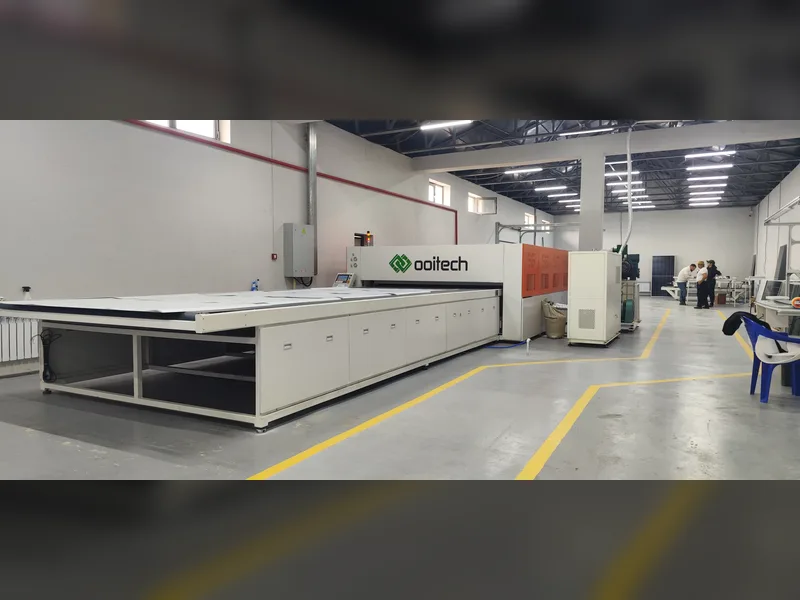
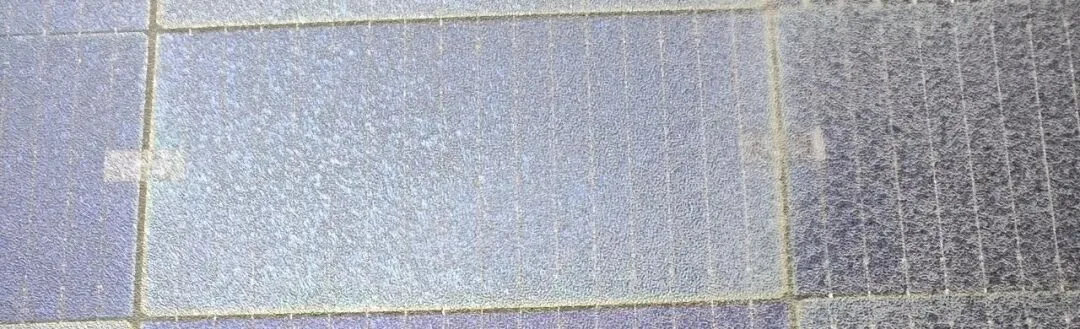
EVA (ethylene vinyl acetate) is the most commonly used encapsulant. It comes as a thin film that is laid between the cells and the front and back surfaces, forming a sandwich structure. This sandwich is then heated to 140-150°C under a certain pressure for a period of time, allowing the EVA to polymerize and bond the module together. In the image below, the semi-transparent film over the cells is EVA.
Backsheet
The protective rear surface
The PV backsheet is the rear surface of the module. Its key requirements are low thermal resistance and the ability to keep water or water vapor out. Single-glass modules typically use a polymer film as the backsheet, while double-glass modules use glass instead, since a transparent glass back can absorb light reflected from the ground and add to the power output.
PV Ribbon (Tin-Coated Copper Ribbon)
How current is collected and carried
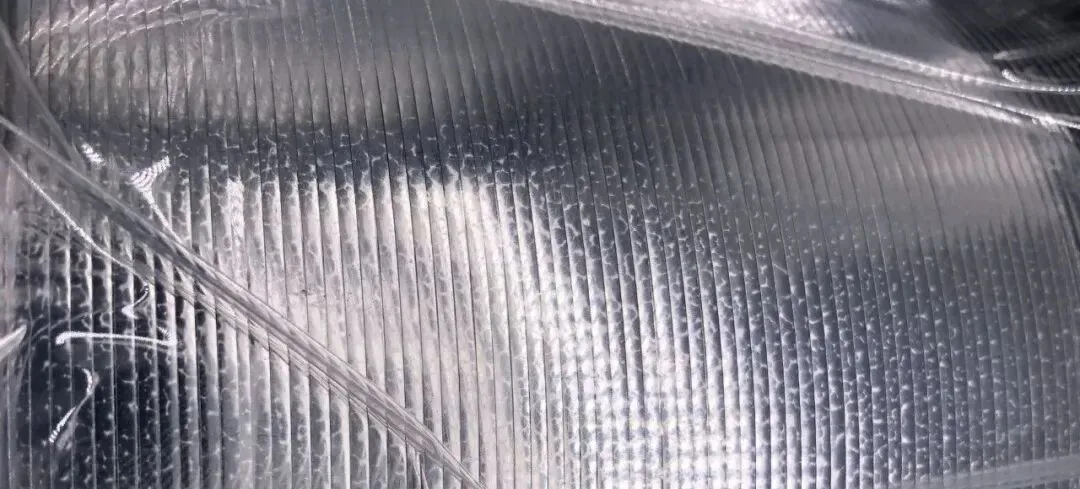
The PV ribbon, a tin-coated copper ribbon, is mainly divided into interconnect ribbon and bus ribbon. The interconnect ribbon connects the cells inside a module; it is soldered directly to the conductive busbars on the cell surface by a stringer machine, conducting and collecting the current from each cell. The bus ribbon connects the cell strings within a module; it is soldered to the interconnect ribbons and gathers the current produced by the cells into the junction box.
The base of the PV ribbon is copper metal, coated with a thin layer of tin. The copper base offers high conductivity and low resistance, reducing the internal resistance of the module and cutting power loss. Tin coating is needed because copper has a high melting point and poor solderability on its own; coating tin onto the copper base gives the ribbon good weldability and lets the interconnect ribbon bond firmly to the busbars on the cell surface, ensuring good current flow.
Junction Box
The bridge to the external circuit
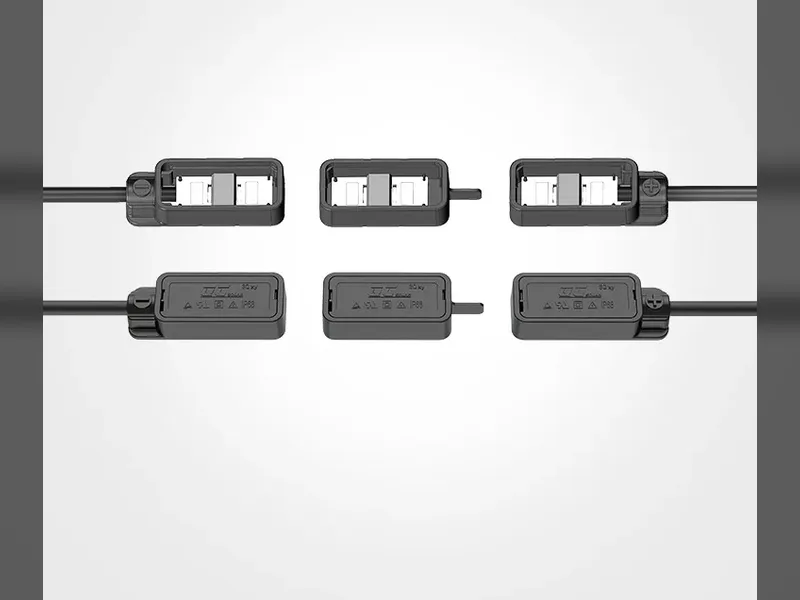
The junction box transmits current on the PV module. It connects to the internal bus ribbon and links the module to the external circuit. It needs good electrical performance, and its design and dimensions must meet the demands of the operating environment, including electrical, mechanical, heat-resistant, corrosion-resistant and weather-resistant requirements, while posing no harm to users or the environment. Common PV module junction boxes use MC4 quick connectors.
Frame
Strength, sealing and easy installation
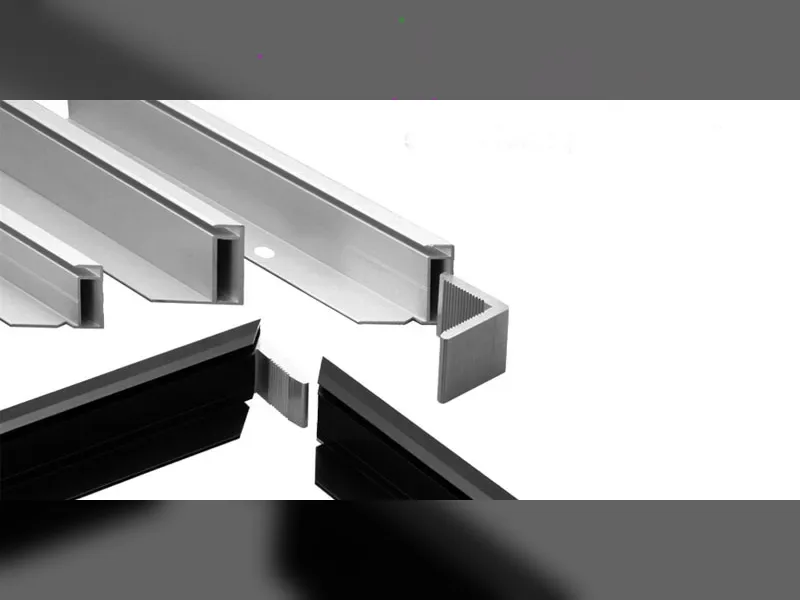
The frame serves several purposes. First, it protects the glass edge and prevents the module from cracking under external force. Second, combined with edge sealant, it strengthens the sealing performance of the module. Third, it greatly improves the overall mechanical strength of the module. Fourth, it makes the module easier to install and transport, and it acts as the carrier connecting the module to the mounting structure, so that proper fixing delivers the best load resistance, scaling from single fixtures to integrated arrays and boosting the mechanical capability of the whole power station system.
Sealant
Keeping moisture out
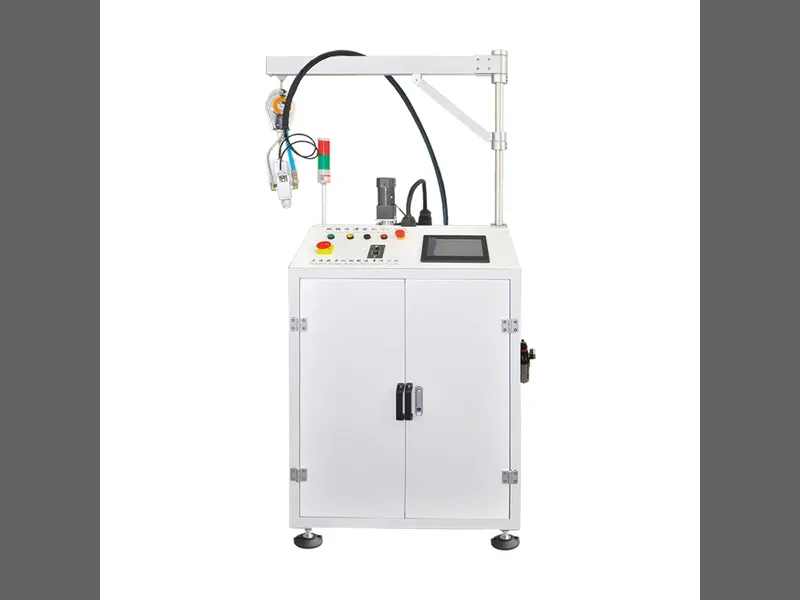
Sealant is used to bond the junction box to the PV backsheet, keeping the gap between them watertight and improving the module's weather resistance. It also bonds the module to the frame, strengthening the connection between the two and preventing water vapor from entering the module.
Ooitech's View
Ooitech believes: a solar module's performance and lifespan depend on how well its layered materials, from front glass to sealant, work together as one system.