Is BC Just One Technology? Unpacking
Table of Contents
Quick answer: Back-contact is not a single cell product, it is a platform technology. The letters used to describe it — BC, IBC, TBC, HBC, HPBC — mark different rear architectures built on the same underlying idea of moving both polarity contacts to the back of the cell. Treating BC as one product is what causes confusion in specification meetings, because a line tooled for one rear pattern is not automatically capable of another. The platform framing matters commercially: it means a manufacturer choosing a back-contact route is committing to a family of rear patterns rather than to a fixed design, and the equipment needs a corresponding level of format flexibility. It also means that a supplier quoting a back-contact stringer should be asked which rear architectures the platform actually covers.
PV Module Manufacturing · by Jerry, Ooitech
Product Introduction
BC cell technology isn't a single, isolated cell product. It's a platform technology. Think of it as a general cell structure design philosophy, an architecture that can merge and stack with several mainstream crystalline silicon passivated contact technologies. Out of that come different high-efficiency cell routes.
Core Principle: Structural Optimization, Not a Material Revolution
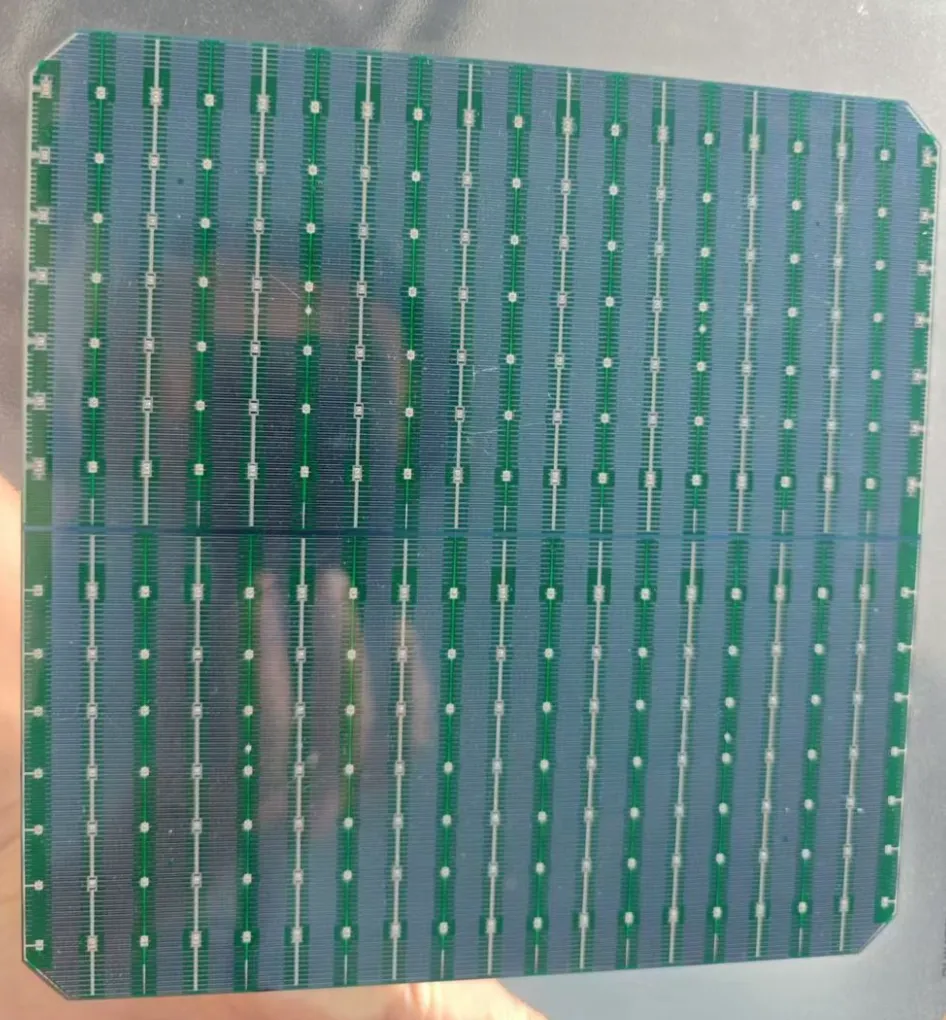
BC stands for Back Contact. The core innovation is in the structure. Unlike a conventional solar cell, a BC cell places all the metal grid electrodes on the back of the cell, so the front side has no grid line shading at all.
This design brings two big advantages:
Higher conversion efficiency: no shading on the front means incoming photons get used to the maximum, which lifts the short-circuit current and delivers a higher photoelectric conversion efficiency. As an example, an HBC cell built on this approach set a world record of 27.81% for a single-junction crystalline silicon solar cell.
Better looks: the front of the cell shows a uniform, pure black surface. It looks cleaner, which suits scenarios with high aesthetic demands like building-integrated photovoltaics (BIPV).
The Technology Family: BC Merged With Other Routes
As a platform technology, BC isn't exclusive. It can combine with PERC, TOPCon, HJT and more, forming the large XBC family. These derived routes inherit the efficiency and good looks of the BC structure while carrying the traits of each base technology.
IBC (Interdigitated Back Contact): the purest, most basic form of BC technology.
TBC (Tunnel oxide passivated contact Back Contact): BC combined with TOPCon (tunnel oxide passivated contact) technology.
HBC (Hetero Junction Back Contact): BC combined with HJT (heterojunction). It currently holds the efficiency record.
HPBC (Hybrid Passivated Back Contact): the hybrid passivated back contact cell technology launched by LONGi.
ABC (All Back Contact): the all back contact cell technology launched by Aiko Solar.
Product Application
BC cells show clear advantages in efficiency and appearance, but the road to mass production comes with real challenges.
Complex process, higher cost: the back of a BC cell needs alternating P and N regions, which means precise laser patterning, masking and other complex steps. Equipment precision and yield requirements are very high. So the early equipment investment and manufacturing cost sit above mainstream PERC and TOPCon.
A clear cost-down path: as the technology iterates, the industry is cutting cost by using laser patterning instead of traditional photolithography, and by pushing silver-free metallization such as copper electroplating.
Industrialization is speeding up: leaders like LONGi and Aiko Solar are pushing hard on large-scale mass production of BC cells, with planned capacity already reaching the tens-of-gigawatts level. As the supply chain matures and scale effects kick in, the BC route has a good shot at taking a more important place in the future PV market on the back of its efficiency edge.
Ooitech's View
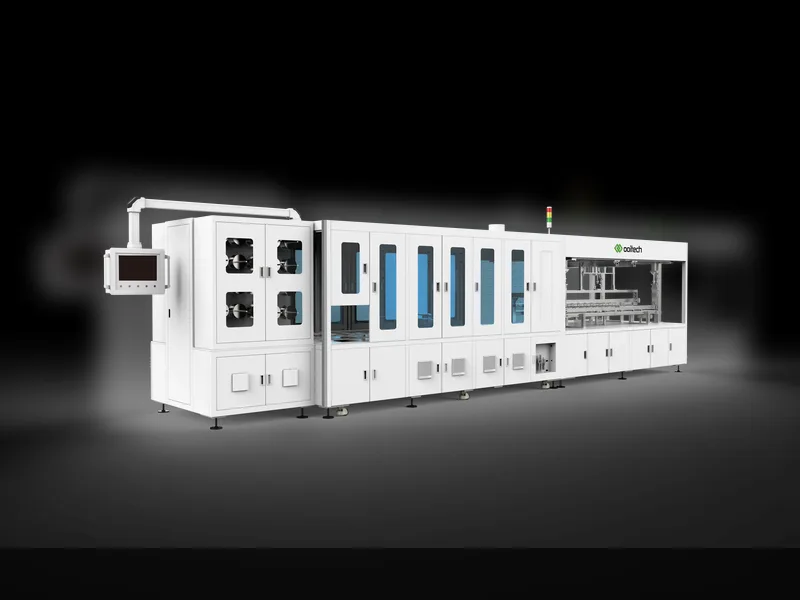
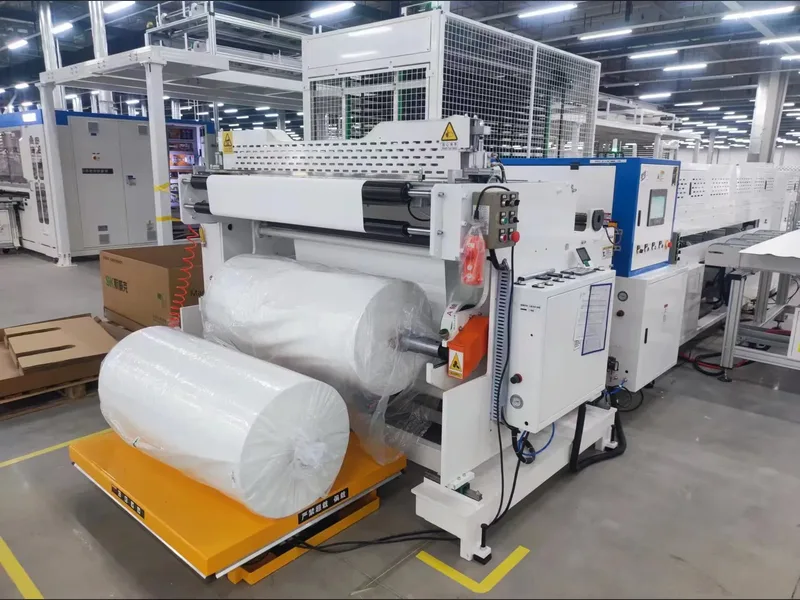
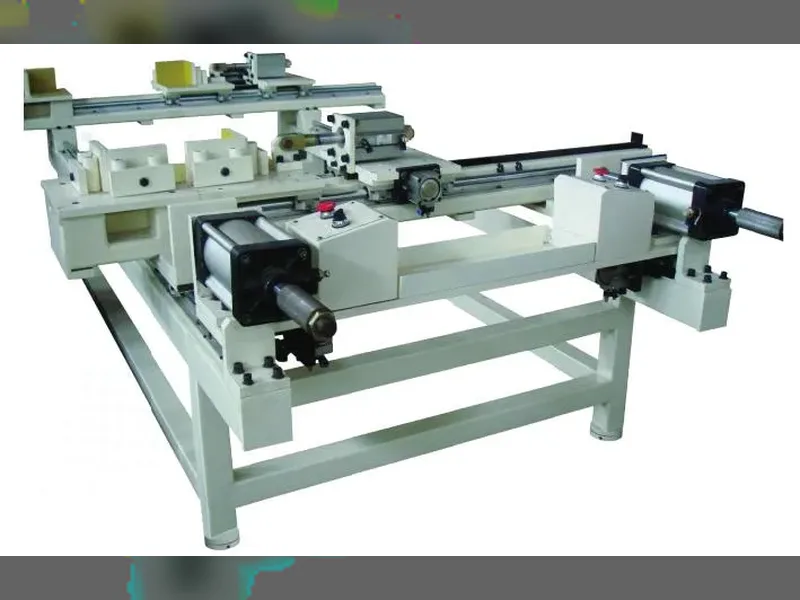
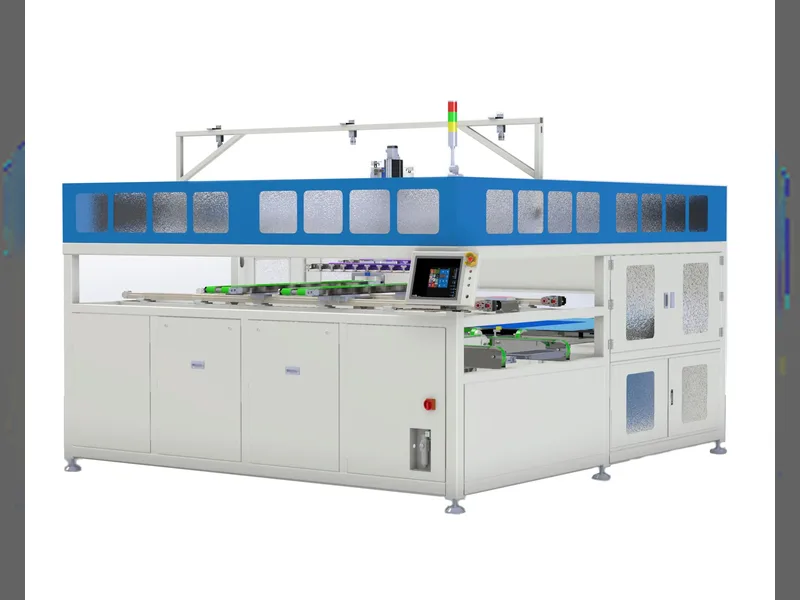
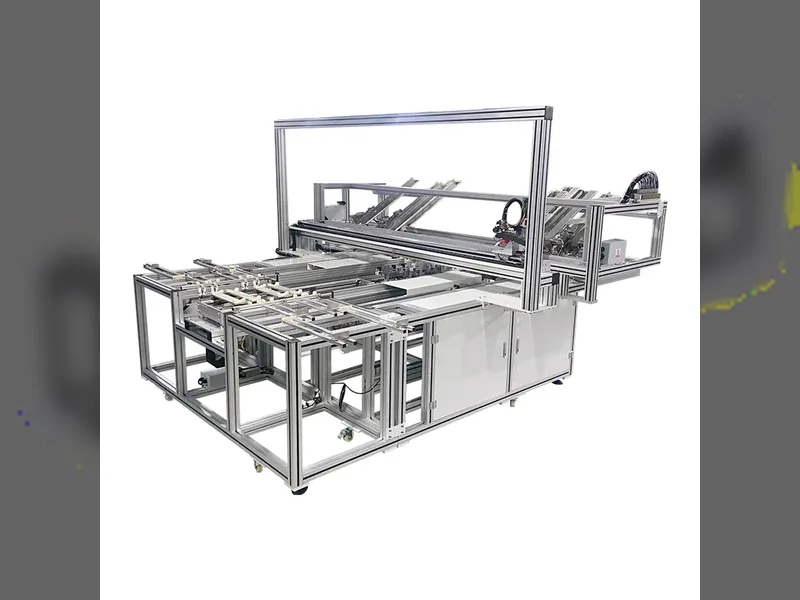
What makes the XBC family tricky on the factory floor isn't the cell itself, it's the stringing step, since back-contact cells drop the front busbars and need a totally different interconnection than standard tabber-stringer setups. We build BC-compatible stringers that handle IBC, TBC, HBC, HPBC and ABC cells on the same line, which matters a lot when a fab wants to keep options open as these routes keep shifting. If you like seeing how module lines actually run, the Ooitech YouTube channel (www.youtube.com/ooitech) is worth a follow for real factory footage.