PV Module Laminator Frame Jumping: Causes, Risks
Table of Contents
Quick answer: Frame jumping during lamination is when the aluminium frame shifts out of position as the stack is pressed, and it shows up after the module is sealed where it cannot be corrected. It happens for three reasons: the frame is not seated evenly before the cycle begins, the temperature ramp is too fast so the encapsulant flows before the frame has settled, or the pressure is applied unevenly across the platen. The risk is not cosmetic. A jumped frame leaves an uneven seal along one edge, which becomes a moisture path, and it can also distort the laminate enough to crack cells near the corner. Prevention is mostly process control: verify the frame seating step, slow the initial ramp, and check platen flatness and pressure uniformity. On a line where frame jumping appears intermittently, the fastest diagnostic is usually the loading step rather than the laminator settings.
PV Module Manufacturing · by Jerry, Ooitech
PV Module Laminator Frame Jumping: Causes, Risks, and Practical Prevention
PV module lamination is one of the key processes in solar panel manufacturing. Through vacuum, heating, and pressure, glass, encapsulant film, solar cells, backsheet or other layers are bonded into a dense and sealed module structure.
If the lamination process is unstable, defects such as bubbles, displacement, poor sealing, or frame-related impact damage may appear. Among these issues, “frame jumping” is a serious abnormal condition because it can directly affect module appearance, electrical safety, and long-term reliability.
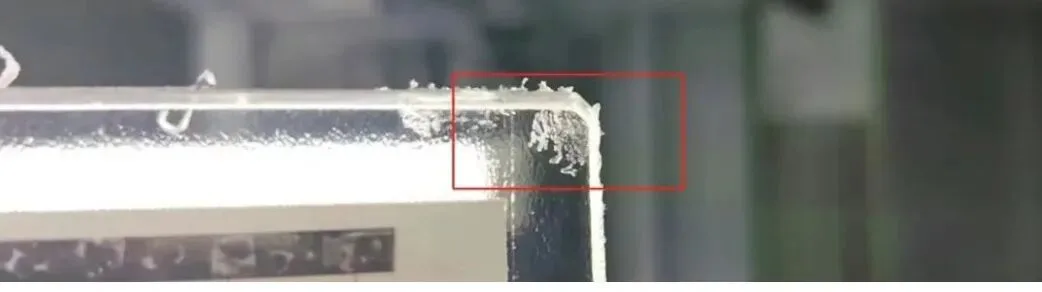
Snowflake Bubble Defect
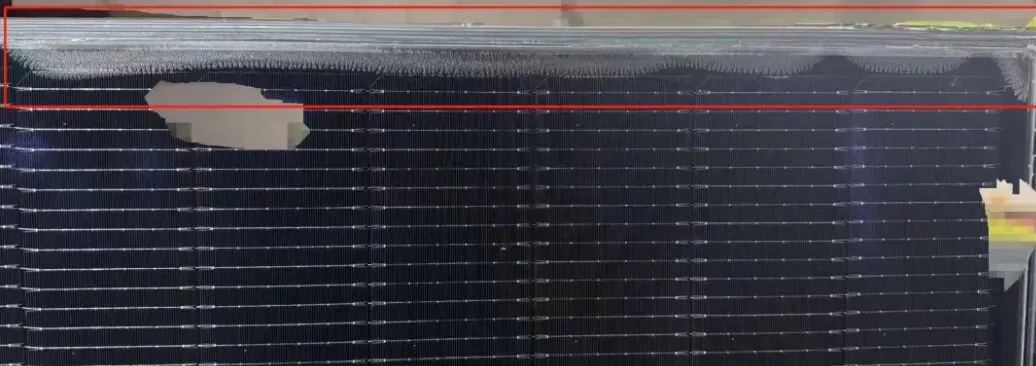
What Is Frame Jumping in PV Module Lamination
“Frame jumping” refers to the unexpected displacement, lifting, dropping, or shifting of the lamination frame during the lamination cycle or module transfer process. In severe cases, the frame may fall onto the module surface, causing glass scratches, cell cracks, encapsulant wrinkles, edge damage, or even complete module scrapping.
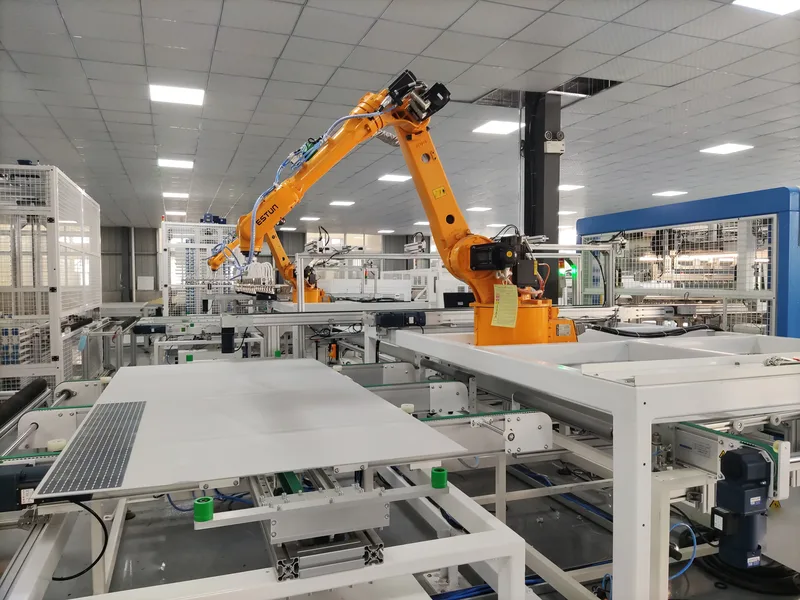
This is not a small positioning problem. In an automatic solar panel production line, the laminator is normally connected with loading, layup, inspection, trimming, framing, and testing processes. Once frame jumping occurs, it can interrupt the production rhythm and create batch quality risks.
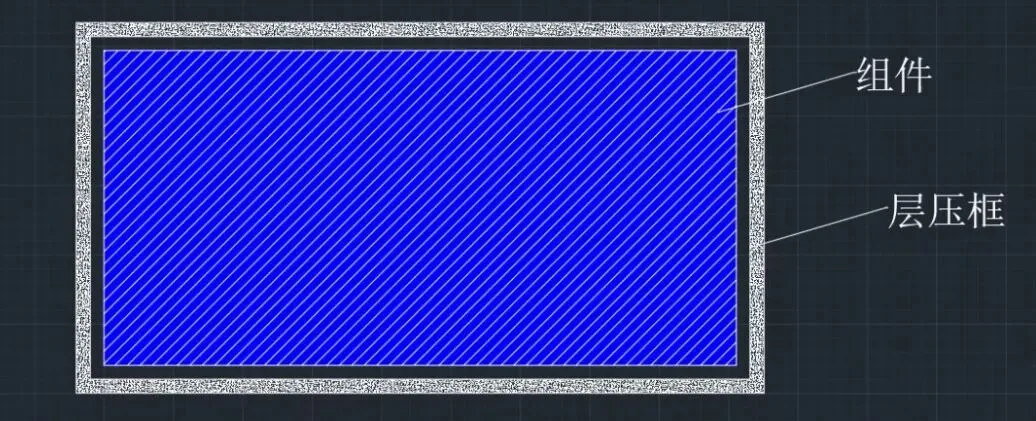
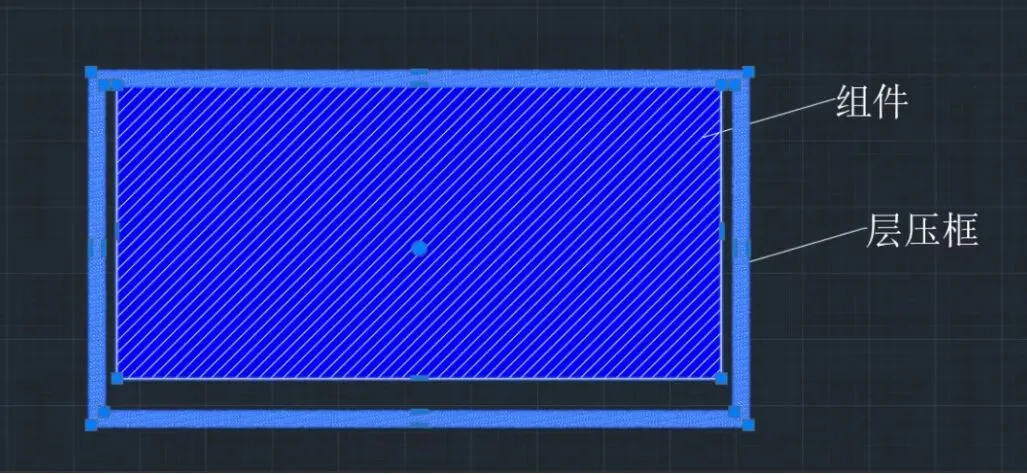
Main Causes of Laminator Frame Jumping
In practical production, frame jumping is usually not caused by one single reason. It is more often the combined result of equipment alignment, chamber pressure control, tooling condition, material cleanliness, and operator habits.
1. Transfer Mismatch Between Laminator Platforms
Modern laminators are often designed with continuous A, B, and C stage platforms. The lamination frame is placed on the A-stage feeding platform and then moves together with the module toward the B-stage lamination chamber.
If the transmission speed between the A and B platforms is not synchronized, or if there is a height difference between platforms, the frame may receive uneven force during transfer. A non-horizontal transition roller, poor belt alignment, or a mechanical step between platforms can also generate shear force or jamming.
Once the frame deviates from its preset track, it may enter the chamber in a wrong position. This creates a high risk of misalignment, collision, or frame jumping during later vacuum and pressure changes.
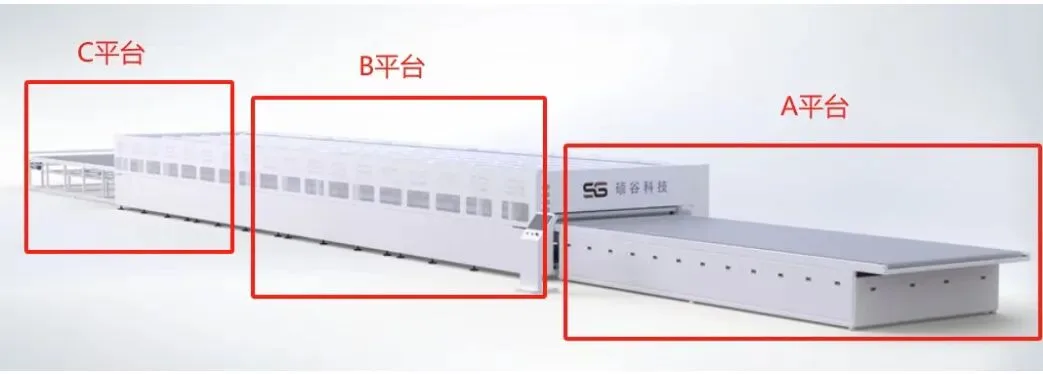
2. Dynamic Pressure Imbalance Inside the Lamination Chamber
Another common cause is pressure imbalance inside the laminator chamber. If inflation is insufficient, the lower chamber may still remain under slight negative pressure when the cover opens.
At this moment, the silicone membrane in the upper chamber can act like a suction cup. It may lift the high-temperature cloth, lamination frame, or even part of the module stack. When the internal vacuum is suddenly broken, these parts may drop randomly.
This random falling action can make the frame hit the module surface or land in the wrong position, creating a serious frame jumping accident.
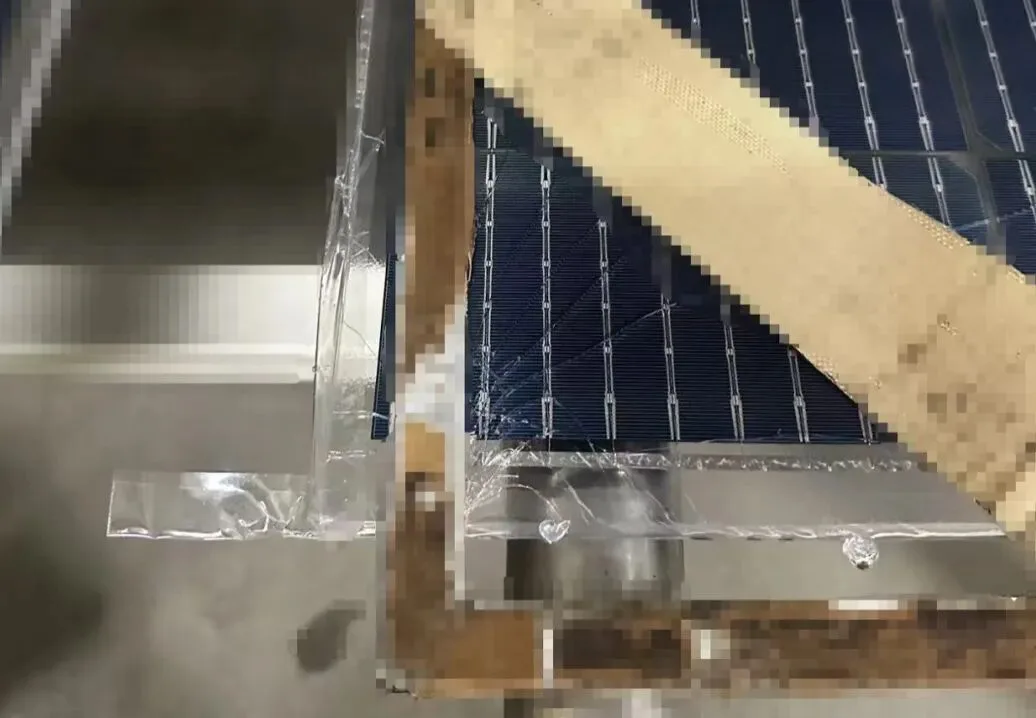
3. Contamination and Adhesion of Tooling or Materials
After long-term use, high-temperature cloth may accumulate aged encapsulant residue on its surface. These sticky residues can adhere to the lamination frame or module edge.
During equipment movement, this adhesion can disturb the normal position of the frame. Even a small sticky point may drag the frame slightly, and this small displacement can become serious after heating, vacuuming, and chamber opening.
Regular cleaning and replacement of high-temperature cloth, silicone membrane inspection, and residue control are therefore important preventive measures.
4. Environmental and Operational Factors
Small foreign objects in the production environment can also trigger frame jumping. For example, glue blocks, glass fragments, EVA residue, or other debris may remain on the laminator bottom plate or inside the chamber.
When the module and frame pass through the equipment, these objects may block the bottom or edge of the frame. The frame then stops at an incorrect position while the production line continues moving, resulting in displacement or impact.
Operator handling is also relevant. Incorrect frame placement, incomplete positioning checks, or insufficient cleaning before production can all increase the probability of abnormal frame movement.
How to Prevent Frame Jumping in Production
To reduce frame jumping, the factory should treat it as a systematic production control issue rather than a single machine fault. A practical prevention plan may include the following points:
Check the levelness and height consistency between A, B, and C platforms.
Verify belt speed synchronization and transition roller condition.
Inspect whether the lamination frame enters the chamber smoothly without jamming.
Confirm sufficient chamber inflation before cover opening.
Monitor vacuum release stability and avoid sudden pressure fluctuation.
Clean high-temperature cloth, silicone membrane, and chamber bottom regularly.
Remove EVA residue, glass chips, and foreign objects before production.
Set standard operating procedures for frame placement and inspection.
Add visual inspection or sensor-based monitoring for frame position where possible.
Record each abnormal event and trace it back to equipment, tooling, material, or operation factors.
A stable lamination process depends on both machine accuracy and daily maintenance discipline. The more automatic the production line becomes, the more important it is to control these small details.
Product Application and Quality Impact
Frame jumping mainly appears in PV module lamination lines, especially in high-throughput automated solar panel factories. It may affect glass-glass modules, glass-backsheet modules, MBB modules, TOPCon modules, PERC modules, shingled modules, and other mainstream module types.
The possible quality impact includes:
Cell micro-cracks caused by mechanical impact.
Glass scratches or breakage.
Encapsulant wrinkles or local delamination risk.
Poor edge sealing and moisture ingress risk.
Abnormal module appearance after lamination.
Lower production yield and higher rework cost.
For factories producing high-efficiency modules, lamination stability is directly linked to final module reliability. A small mechanical abnormality during lamination may become a hidden reliability issue after outdoor operation.
Ooitech's View
As an equipment supplier, we see it this way: laminator frame jumping is not just a laminator problem, but a line-integration problem involving transfer accuracy, vacuum logic, tooling cleanliness, and operator discipline. For a solar module factory, the best solution is to verify platform matching and chamber pressure behavior during commissioning, then keep strict maintenance records during mass production. In our experience with solar panel production line projects, many recurring lamination defects can be reduced when the team treats the laminator as part of a complete production system rather than an isolated machine.
Disclaimer
The original reference content was collected from public internet channels and social media sources. The views are for technical communication and reference only. Copyright belongs to the original author or organization. If there is any infringement, please contact the publisher for removal.