Understanding the Three Major PV Cell Technologies:
Table of Contents
Quick answer: The three major PV cell technologies in production today are PERC, TOPCon and heterojunction (HJT), with back-contact architectures forming a fourth family built on top of them. They are distinguished by what happens at the cell surface rather than by the silicon wafer, which is broadly the same N-type or P-type material in each case. PERC adds a passivation layer and local rear contacts to a p-type cell. TOPCon replaces the rear with an ultra-thin tunnel oxide — around 2 nm — beneath a doped polysilicon layer about 10 nm thick, which passivates the surface and lets carriers tunnel through. HJT deposits thin amorphous silicon layers on both sides and needs lower process temperatures. The differences show up in efficiency, temperature coefficient, line compatibility and cost, and each one moves a manufacturer's choice of equipment.
PV Module Manufacturing · by Jerry, Ooitech
Introduction
Solar photovoltaic technology has evolved rapidly over the past decade, with several competing cell architectures pushing efficiency to new heights. This article walks through the fundamental working principles of solar cells, then breaks down the three major next-generation technologies shaping the industry today, and closes with a look at quality control in cell production.
How Solar PV Cells Work
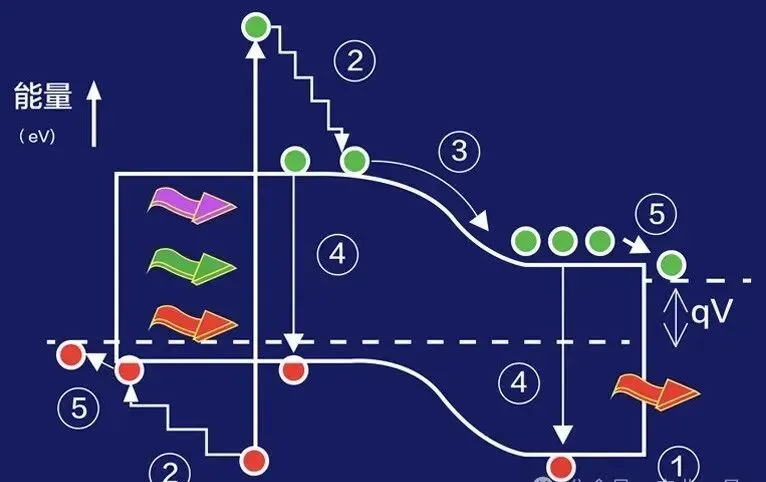
A solar cell converts light into electricity, but not all incoming photons contribute equally. Understanding where energy is lost is the first step toward building better cells.
Photons with energy below the bandgap are not absorbed and simply pass through the cell.
Photons with energy above the bandgap are absorbed and generate electron-hole pairs, but the excess energy of high-energy photons is partly lost as heat.
Charge separation and transport of the generated carriers incur losses at the pn junction.
Recombination losses occur during carrier transport.
Contact resistance introduces a voltage drop, causing contact voltage losses.
TOPCon, HJT, and Perovskite"/>
Reducing Electrical Losses
Choose wafers with good crystal structure and the right type.
Develop ideal pn junction formation techniques.
Develop ideal passivation techniques.
Adopt reasonable metal contact techniques.
Apply excellent front-surface and back-surface field technologies.
Reducing Optical Losses
To cut optical losses and raise cell efficiency, the industry has developed a range of light-trapping approaches and technologies. These include surface texturing of the wafer to reduce reflection, front-surface anti-reflection coatings, rear-surface reflective coatings, and minimizing grid-line shading area.
TOPCon
TOPCon, also known as passivated contact technology, is widely regarded as the next-generation solar cell technology after PERC. Compared with other potential new technologies such as HJT and IBC, TOPCon can be upgraded directly from existing PERC or PERT lines. As a result, manufacturers wanting to upgrade their existing production lines need a relatively low capital investment, while still achieving a solid efficiency gain of around 1%.
The front side of a TOPCon cell is essentially the same as a conventional N-type or N-PERT cell, consisting of a boron (p+) emitter, a passivation layer, and an anti-reflection layer. The core technology lies in the rear passivated contact: the back of the wafer carries an ultra-thin oxide layer (1–2 nm) plus a phosphorus-doped micro/amorphous mixed silicon thin film. For bifacial applications, metallization is done by screen-printing Ag or Ag-Al grids on the front and Ag grids on the back.
Tunnel Oxide Passivated Contact
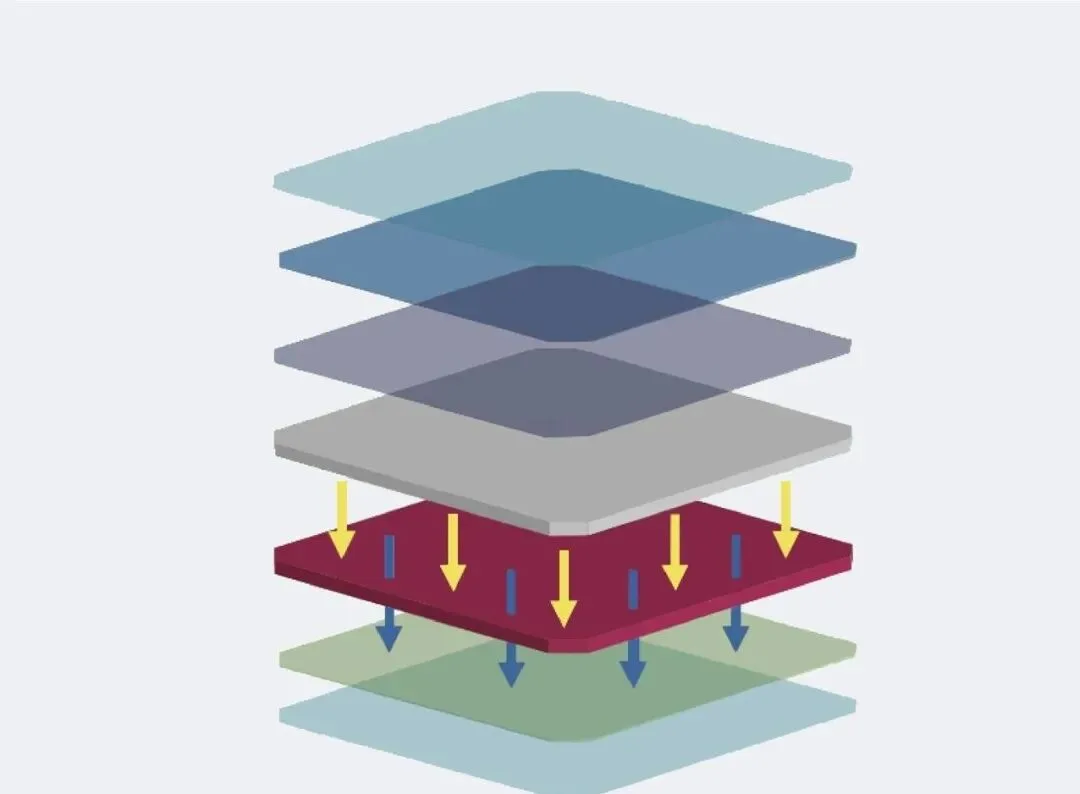
Tunnel Oxide Passivated Contact (TOPCon) has attracted significant attention recently because it achieves a high conversion efficiency of 25.7%. The TOPCon structure is composed of a thin tunnel oxide and a phosphorus (P) doped polysilicon contact layer. The P-doped polysilicon layer can be fabricated by crystallizing a-Si:H or by directly depositing polysilicon using LPCVD. TOPCon stands out as a promising candidate among high-efficiency solar cell technologies.
HJT Heterojunction
Heterojunction technology (HJT) is a solar panel manufacturing method that has been on the rise over the past decade. It is currently one of the most effective processes for pushing efficiency and power output to high levels, even surpassing the performance of the industry's mainstream PERC technology. HJT cells combine two different technologies into one: crystalline silicon and amorphous thin film. Using these technologies together harvests more energy than using either alone, reaching efficiencies of 25% or higher.
HJT Cell Structure
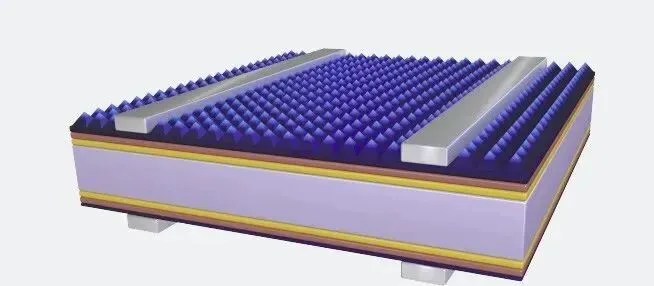
Using a monocrystalline wafer as the substrate, an intrinsic a-Si:H film of 5–10 nm and then a p-type a-Si:H film are deposited in sequence on the cleaned and textured front of the wafer, forming a p-n heterojunction. On the back of the wafer, an intrinsic film of 5–10 nm and an n-type a-Si:H film are deposited to form a back surface field. A transparent conductive oxide film is then deposited, and finally screen printing creates metal collector electrodes on the top of both sides, building a symmetrical HJT solar cell.
Advantages of HJT Cells
Flexibility and adaptability — This technology was developed for excellent production capability even under extreme weather conditions. HJT panels have a lower temperature coefficient than conventional panels, ensuring high performance at elevated external temperatures.
Expected lifespan — On average, thin-film PV modules can last up to 25 years, while HJT cells can keep operating normally for more than 30 years.
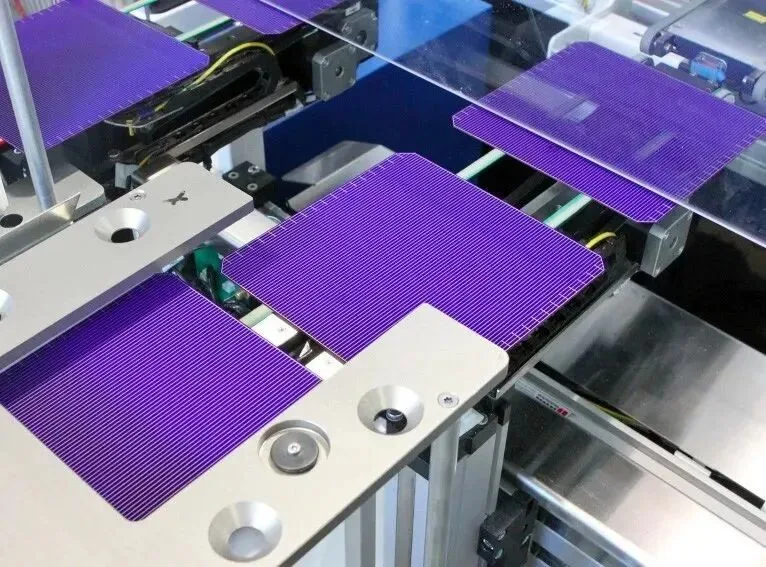
Higher efficiency — Most heterojunction panels on the market today have efficiencies between 19.9% and 21.7%, a huge improvement over other conventional monocrystalline cells.
Cost savings — The amorphous silicon used in HJT panels is a cost-effective PV technology. Compared with other technologies, this thin-film solar approach requires shorter manufacturing time. Thanks to its simplified process, HJT is more affordable than alternative solutions.
Perovskite
In 2009, perovskite materials were first used to achieve a photovoltaic efficiency of 4%. By 2021, single-junction perovskite solar cells (PSC) reached an efficiency of 25.5%. The rapid improvement of perovskite cells has made them a rising star in the PV field and sparked great interest in academia. Because their operating methods are still relatively new, there is plenty of opportunity to further study the underlying physics and chemistry of perovskite.
Perovskite Cell Structure
Most advanced perovskite solar cell structures are based on five components: a transparent conductive oxide, an electron transport layer (ETL), the perovskite, a hole transport layer (HTL), and a metal electrode. Understanding and optimizing the energy levels and interactions of different materials at these interfaces is a very exciting research area that is still under active discussion.

CaTiO3
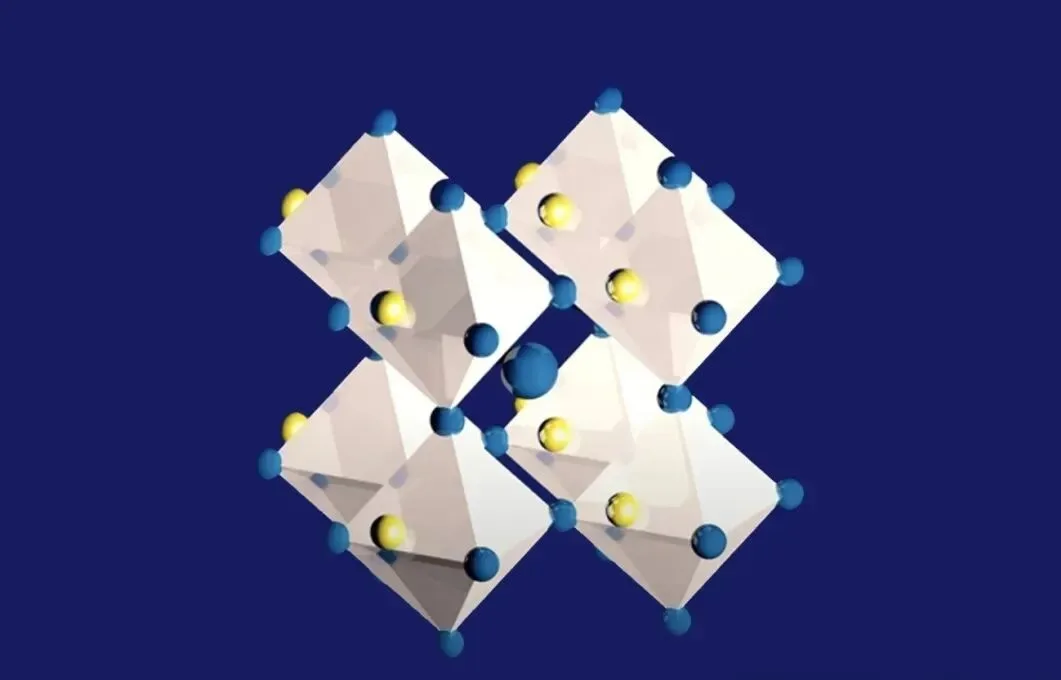
Perovskite is the name of a mineral, discovered in 1839 by Rose in the rock minerals of the Ural Mountains and named after the Russian geologist Perovski. Perovskite materials tend to have a low carrier recombination probability and high carrier mobility, making them ideal materials for solar cells.
Perovskite Film Formation Methods
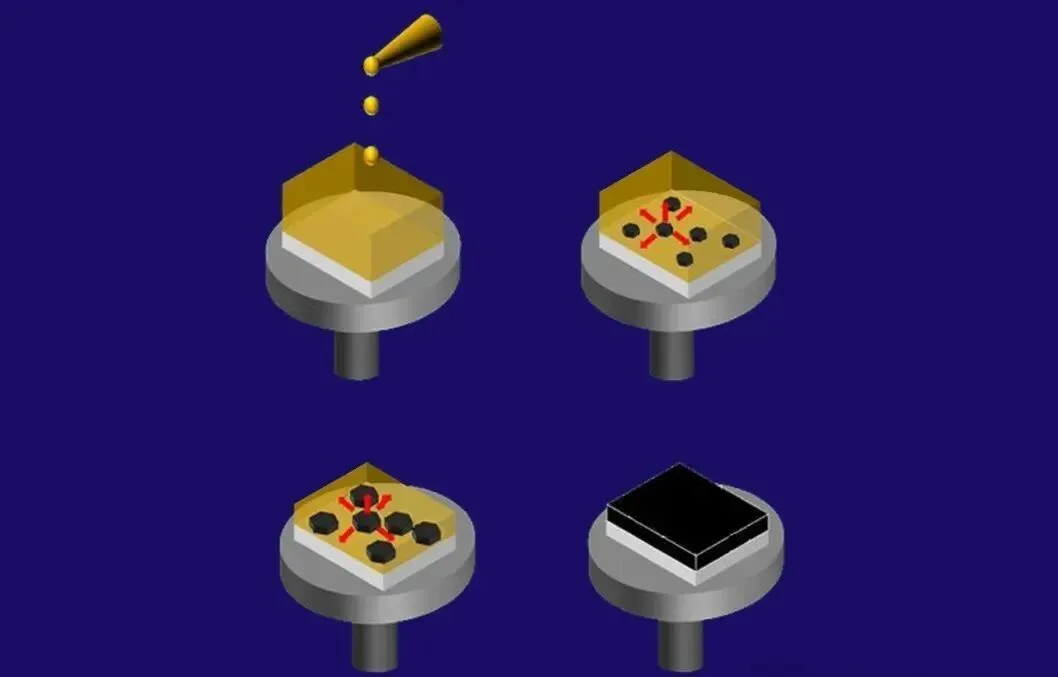
The key to improving the power conversion efficiency of perovskite solar cells lies in optimizing the film morphology. The film formation methods commonly used in the laboratory are one-step or two-step process deposition. To meet the demand for large-area, low-cost perovskite films, processing equipment such as slot-die coating, printing, and spraying is also used to fabricate perovskite solar cells.
The Future of Perovskite
Future research on perovskite is likely to focus on reducing recombination through strategies such as passivation and defect reduction, as well as improving efficiency by incorporating two-dimensional perovskites and more optimized interface materials. Charge extraction layers may shift from organic to inorganic materials to improve efficiency and stability. Enhancing stability and reducing environmental impact remain important areas.
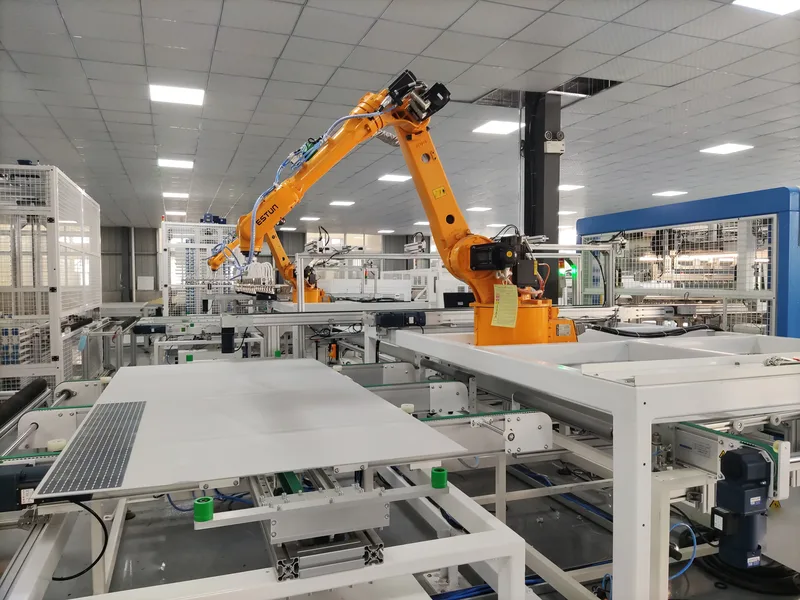
Quality Control in Solar PV Cell Production
Crystalline silicon PV cells are the most common cells in commercial solar panels, accounting for more than 90% of global PV cell market sales.
In the laboratory, the energy conversion efficiency of crystalline silicon cells exceeds 25% for monocrystalline cells and reaches 20% or above for polycrystalline cells. However, industrially produced solar modules currently only achieve 18%–22% efficiency under standard test conditions.
Cleaning and Texturing
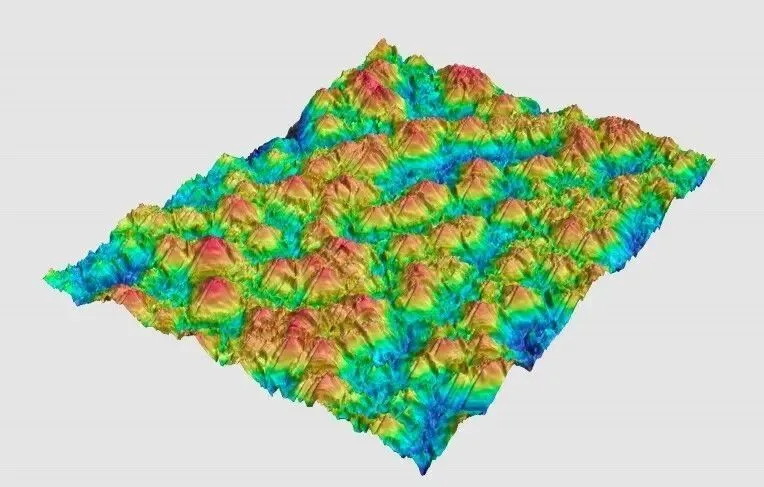
Etching removes the surface damage layer and textures the surface to form a textured structure that traps light and reduces reflection losses. Measuring the reflectance of the textured surface is an important means of monitoring the texturing process.
Diffusion Junction Formation and Edge Isolation
Thermal diffusion and similar methods form a diffusion layer of a different conductivity type on the wafer, creating the pn junction. Different cell types deposit a passivation layer of a certain thickness between the pn junction and the wafer to obtain a more efficient thin-film solar cell. This process mainly monitors minority carrier lifetime, wafer thickness, and refractive index.
Anti-Reflection Coating Deposition
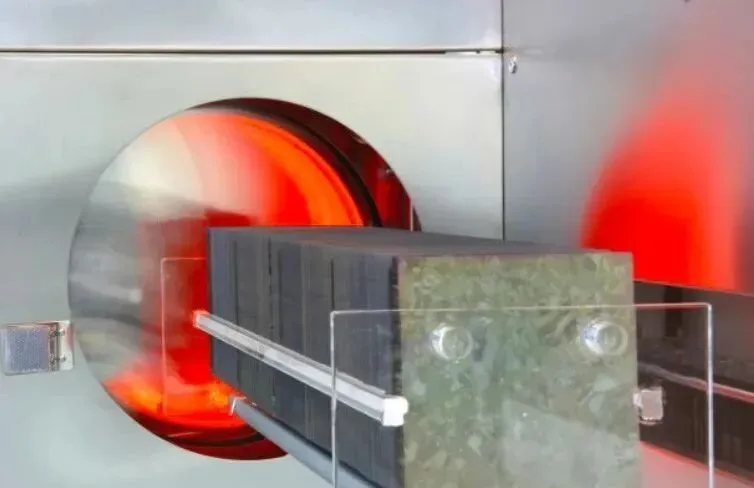
To further improve light absorption, an anti-reflection film is applied over the wafer surface. Currently, the industry uses plasma-enhanced chemical vapor deposition (PECVD) to deposit a thin film on the wafer, which simultaneously acts as a passivation layer. At this stage, the main measurements are the transmittance of the anti-reflection film and the uniformity of sheet resistance.
Electrode Fabrication
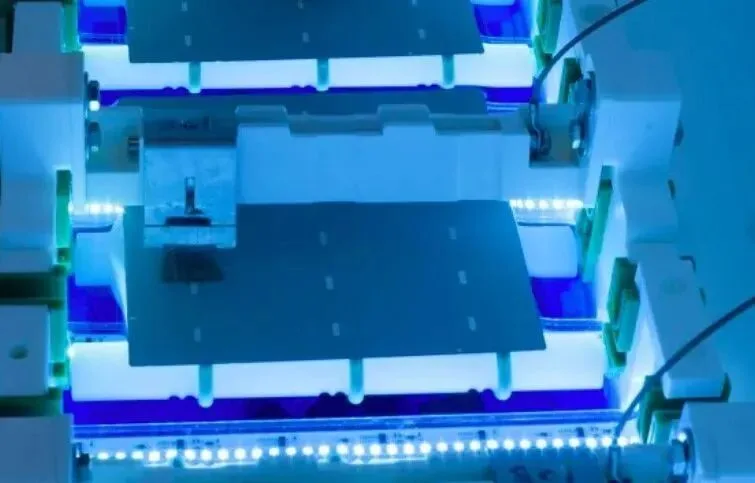
Grid-line electrodes are screen-printed on the front of the cell, while the back surface field and back electrode are printed on the rear, followed by drying and sintering. During this process, temperature control, alignment accuracy, and the height-to-width ratio of the grid lines are indispensable monitoring indicators.
Ooitech's View
ooitech believes: TOPCon, HJT, and perovskite each push solar cell efficiency forward in their own way, and rigorous production quality control is what ultimately turns these technologies into reliable, high-performing modules.