Canton Fair 140th: AI Moves From Feature to Buying Criterion
Table of Contents
Industry News
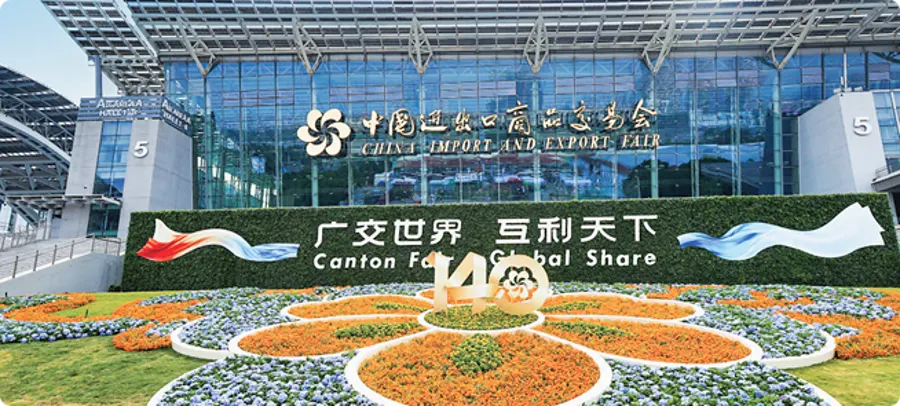
The 140th Canton Fair Opens in Guangzhou
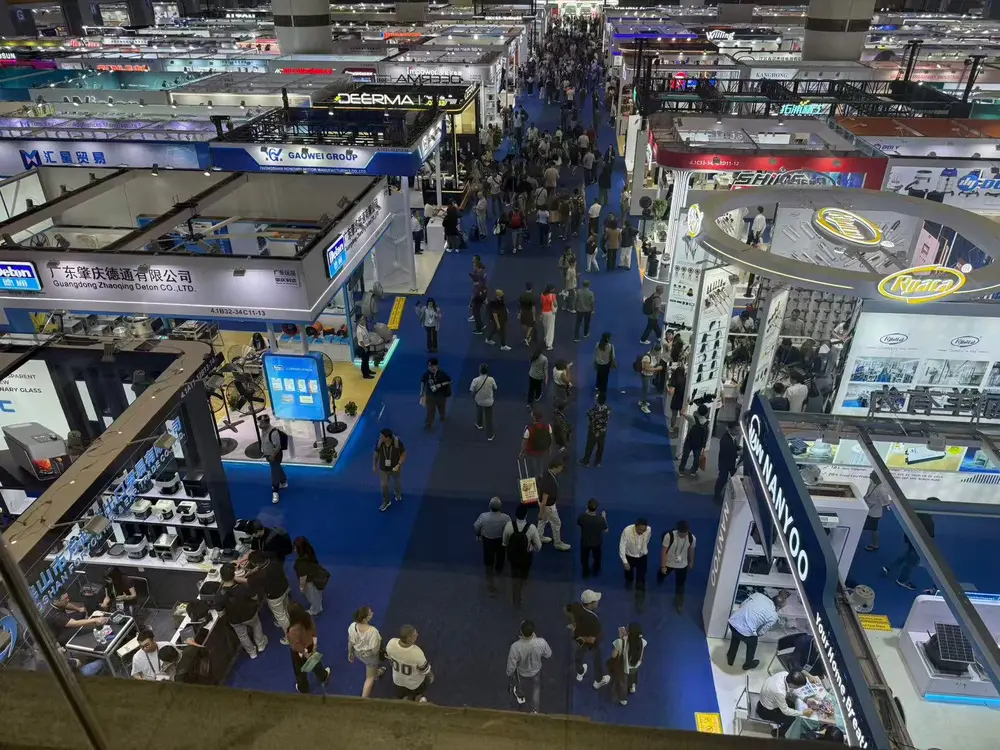
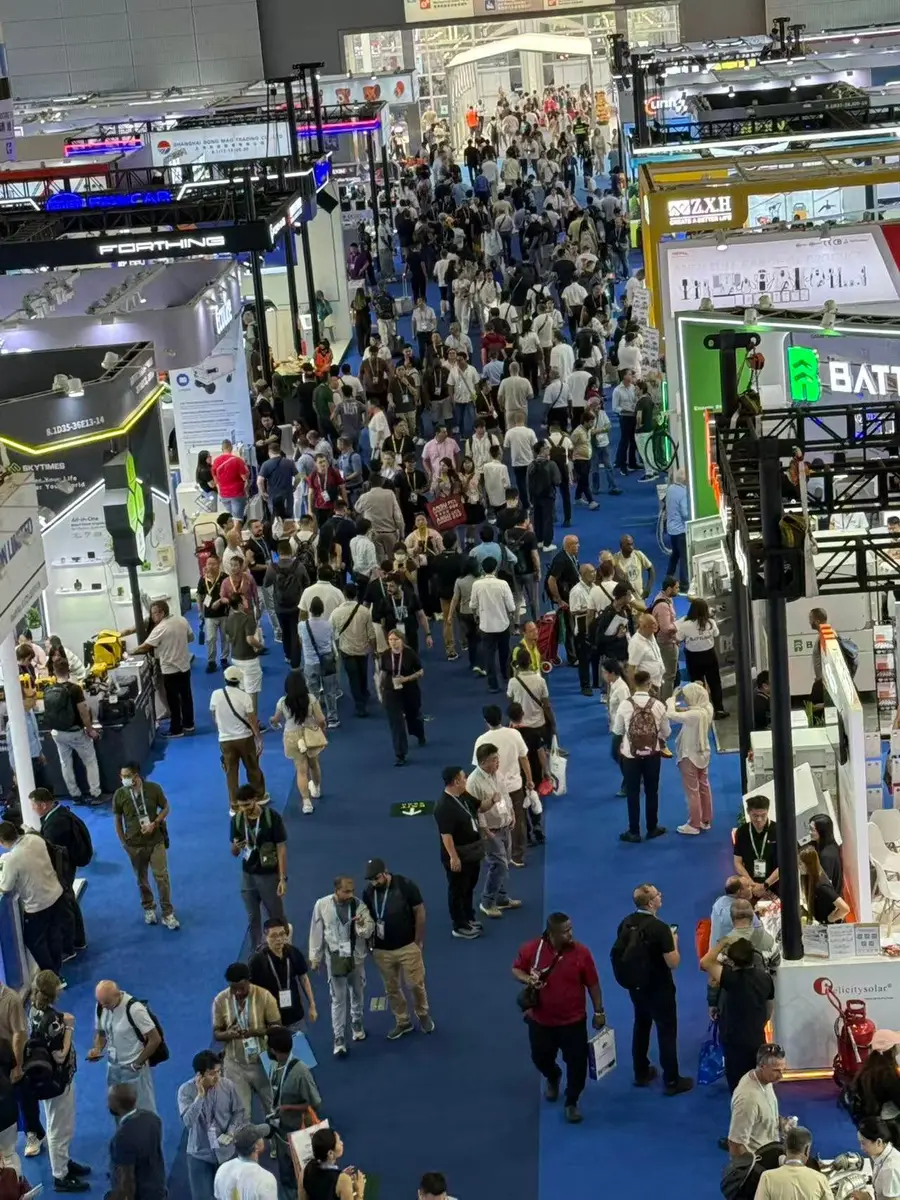
The 140th China Import and Export Fair opened in Guangzhou on 15 October, and the halls were full from the first morning. Overseas buyers moved between stands in the numbers this fair is known for, and in Phase 1 alone more than 12,000 companies are exhibiting.
Phase 1 runs from 15 to 19 October under the theme "Advanced Manufacturing". Its focus list reads like a map of where global procurement is heading: new energy, smart manufacturing, embodied intelligence.
The fair is held in three phases and runs into early November.
A Launch Zone Built Around Time-to-Inquiry
For the first time this year, the fair set aside a dedicated area for new product launches. Products described as global debuts or China premieres were grouped there instead of being scattered across the halls.
The organisers frame the area with three roles: a barometer for new products, a stage for companies making a first appearance, and a checklist item for buyers. What makes the format more than a display is the link behind it. Launch, display and matchmaking run as a single chain, so a company can present a new product and enter the business matching process in the same visit. The distance between being seen and being asked for a quotation is shorter than at a conventional stand.
The Word Buyers Kept Using
Walk any aisle in the new energy or smart manufacturing halls and the same word appears on specification sheets, screens and booth walls. AI is no longer a differentiator added at the end of a product description. It has moved into the first line.
Buyers have noticed. "The biggest change I see is AI. Every industry is moving toward it," said Rahman, a Pakistani buyer sourcing for heavy truck exports to Africa and Saudi Arabia, speaking during Phase 1. He came to the fair looking specifically for AI-enabled products. "It is the newest capability hardware can carry, and through it we can earn more."
The shift matters more for equipment than for consumer goods. A consumer can judge an AI feature by using it for five minutes. A module manufacturer cannot. It has to live with that machine for a decade, and it has to explain to an auditor what the machine decided and why.
What an AI Claim Is Worth on a Production Line
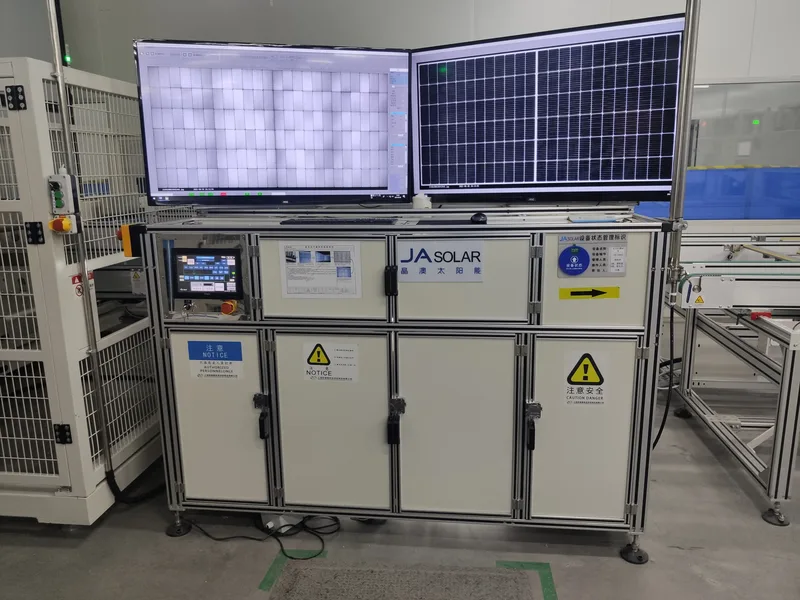
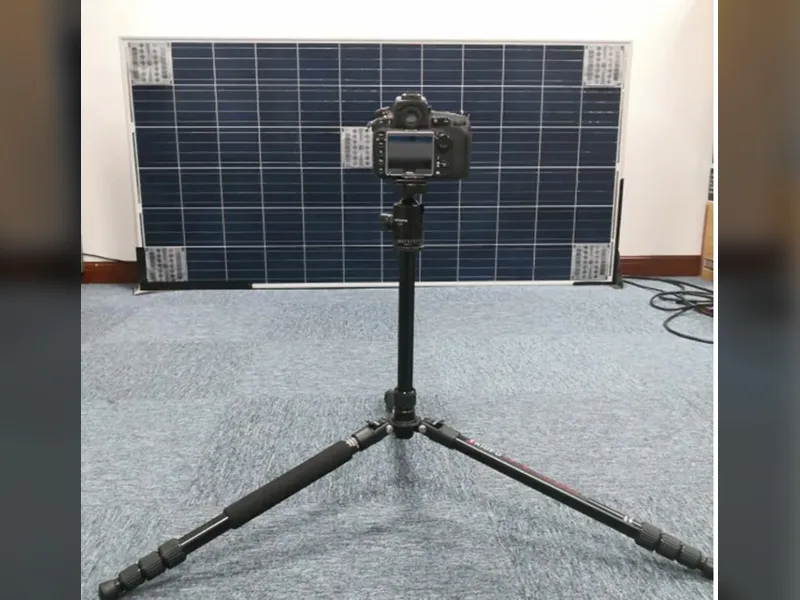
On a photovoltaic line the places where AI does real work are narrow and specific. Inspection is the obvious one: electroluminescence images arrive faster than a person can classify them, and the difference between a microcrack and a finger interruption matters to yield. Test data is the second: an IV curve that drifts by a fraction of a percent across a shift says something about a soldering iron or a lamp before it says anything about a module. Traceability is the third, connecting a measured result back to a machine, a batch and a shift.
Four questions separate a working system from a demonstration:
- What data trained it, and was that data collected on this type of line or on a different one?
- How was it validated, against what reference, and on how many modules?
- What is the false-positive rate, and who rechecks what it rejects?
- Does it export a record, or does the judgement disappear when the screen closes?
A supplier who can answer those four is selling a tool. A supplier who cannot is selling a word.
Ooitech's Position
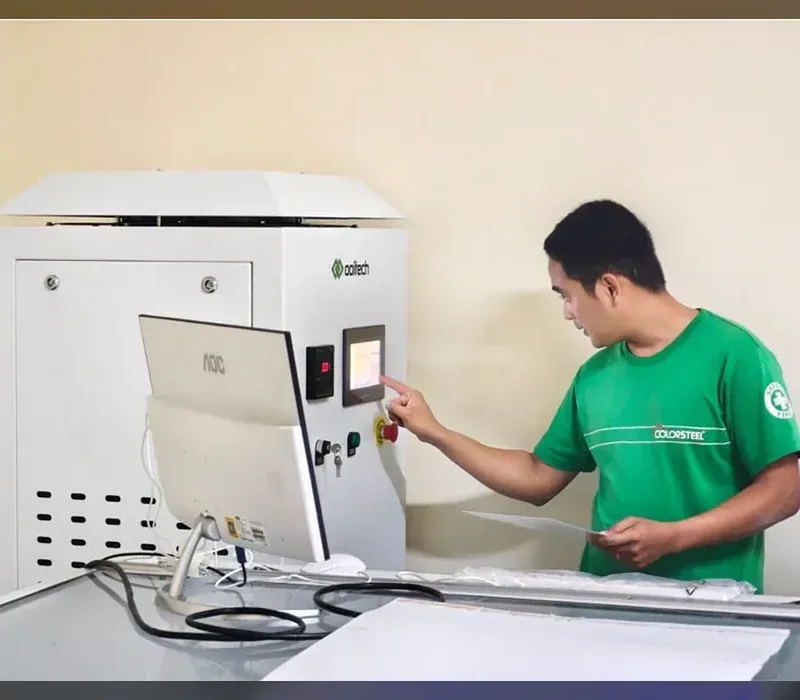
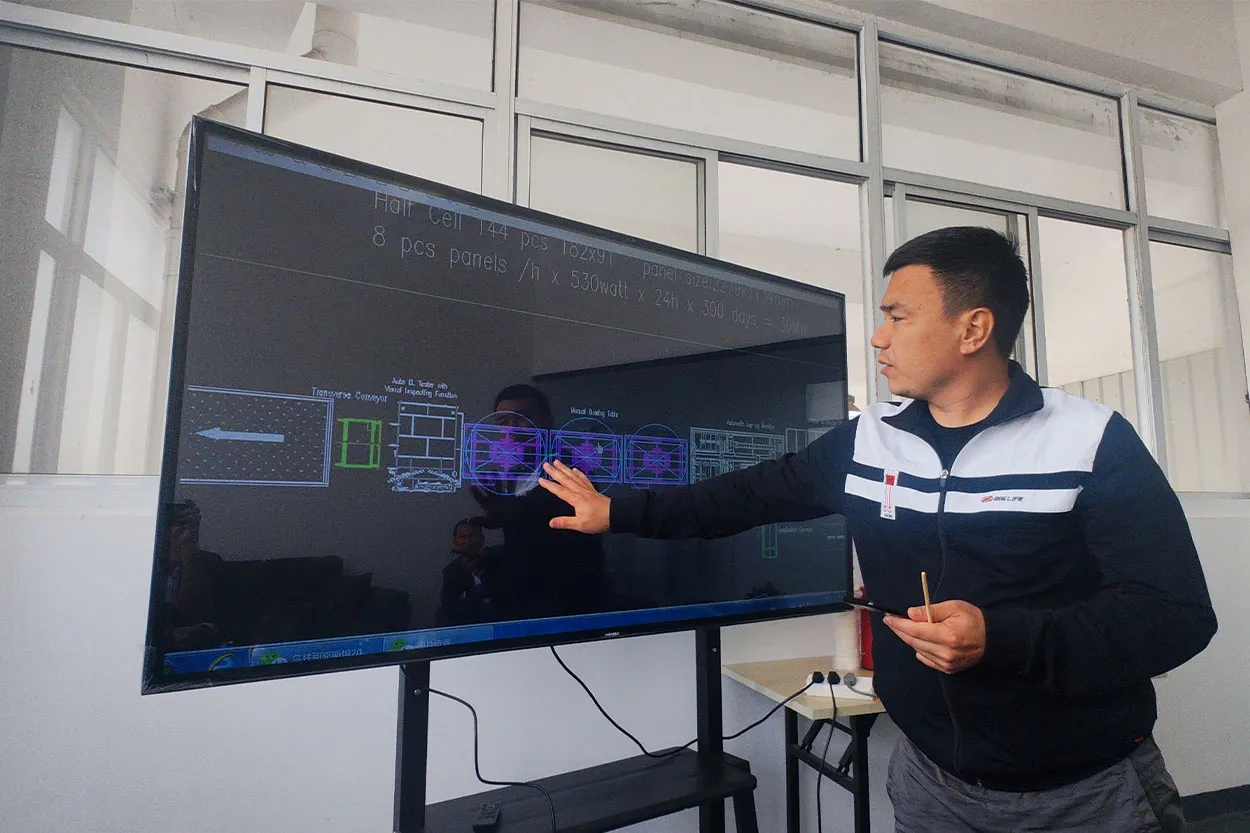
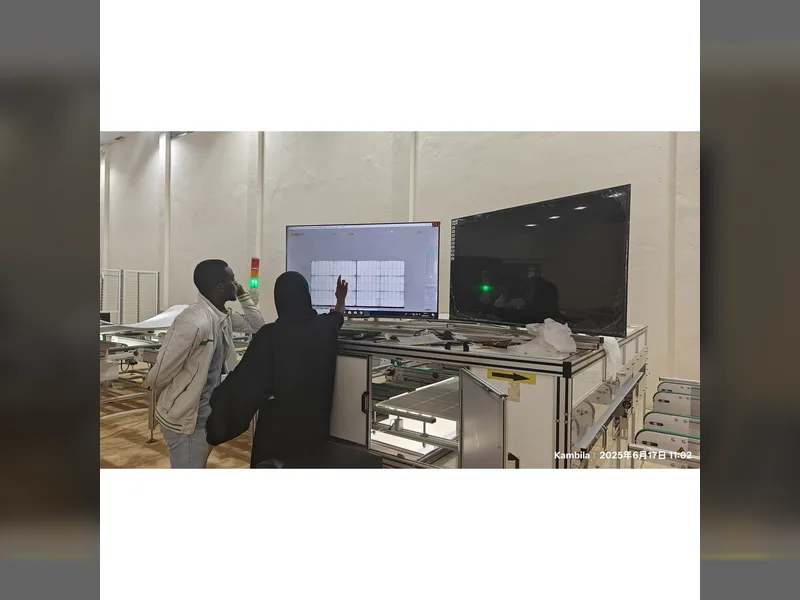
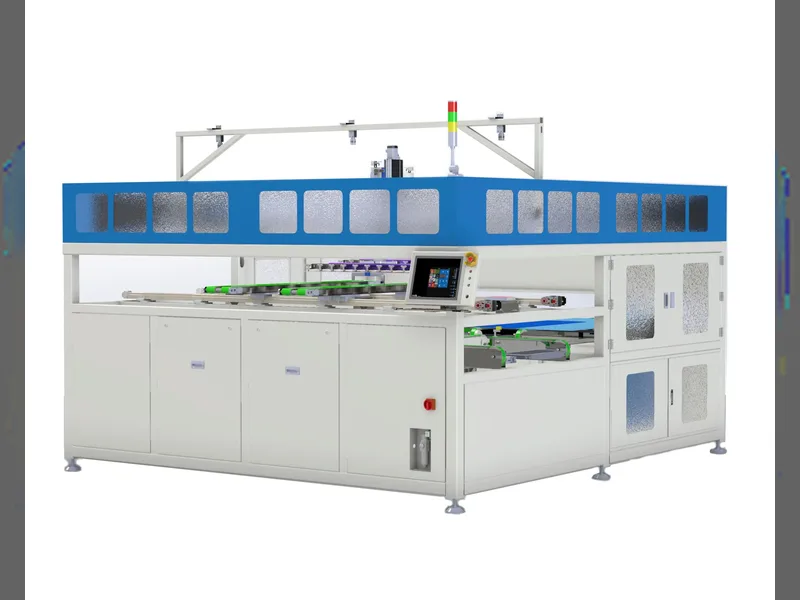
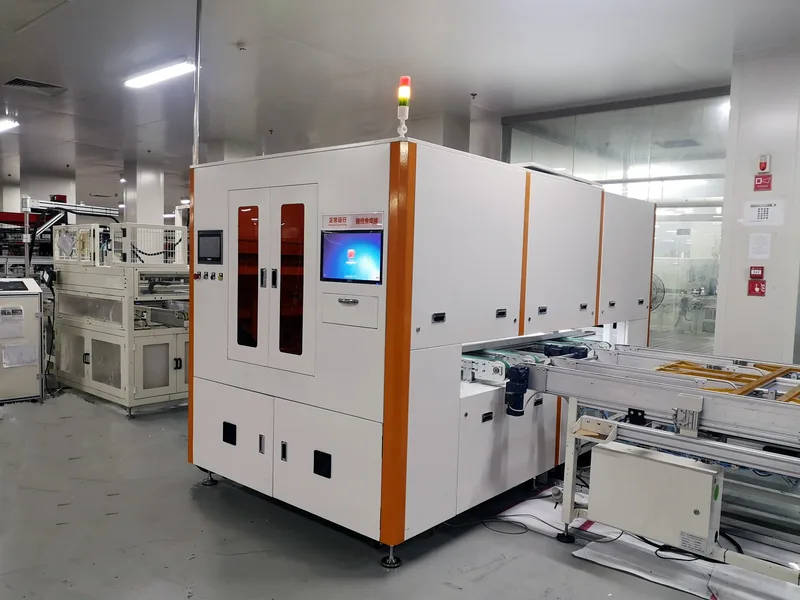
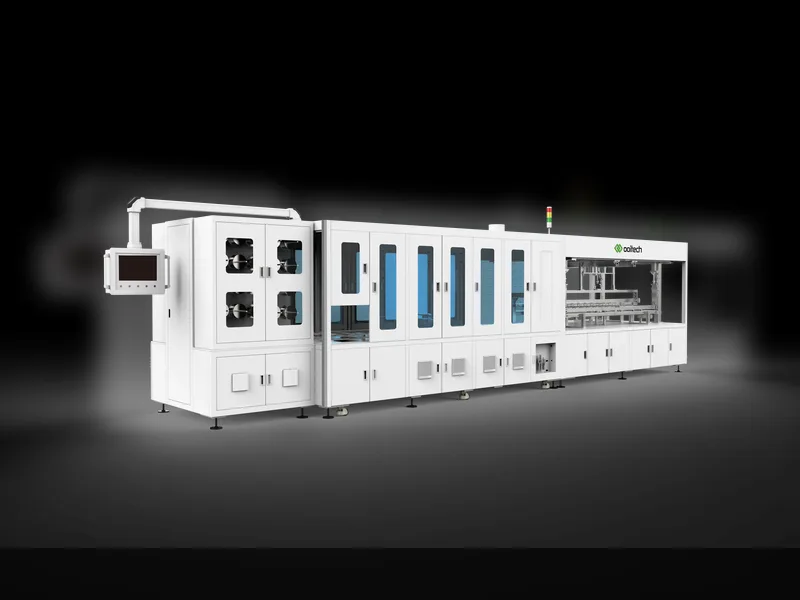
Ooitech supplies solar panel production lines, and we have been developing AI-based test software for our testing stations. That software is already in use in production rather than sitting in a pilot. The direction is not new to us; what this fair shows is that buyers now ask for it by name before they ask for a price.
It changes the conversation at the quotation stage. Instead of describing a station only by throughput, we end up describing what it records, how it flags a drift, and what an operator sees when something goes wrong at three in the morning.
What Comes Next
Phase 1 closes on 19 October, and the remaining two phases follow through early November. For anyone sourcing equipment rather than consumer goods, the useful part of this fair is not the launch queue. It is the change in what buyers now treat as a baseline requirement.
If you are planning a line and want to see how inspection and test data are handled on our stations, the solar panel production line layout guide is a place to start. For the decision most buyers ask about first, inline versus offline EL testing sets out the trade-off, and the testing equipment range covers the stations themselves.